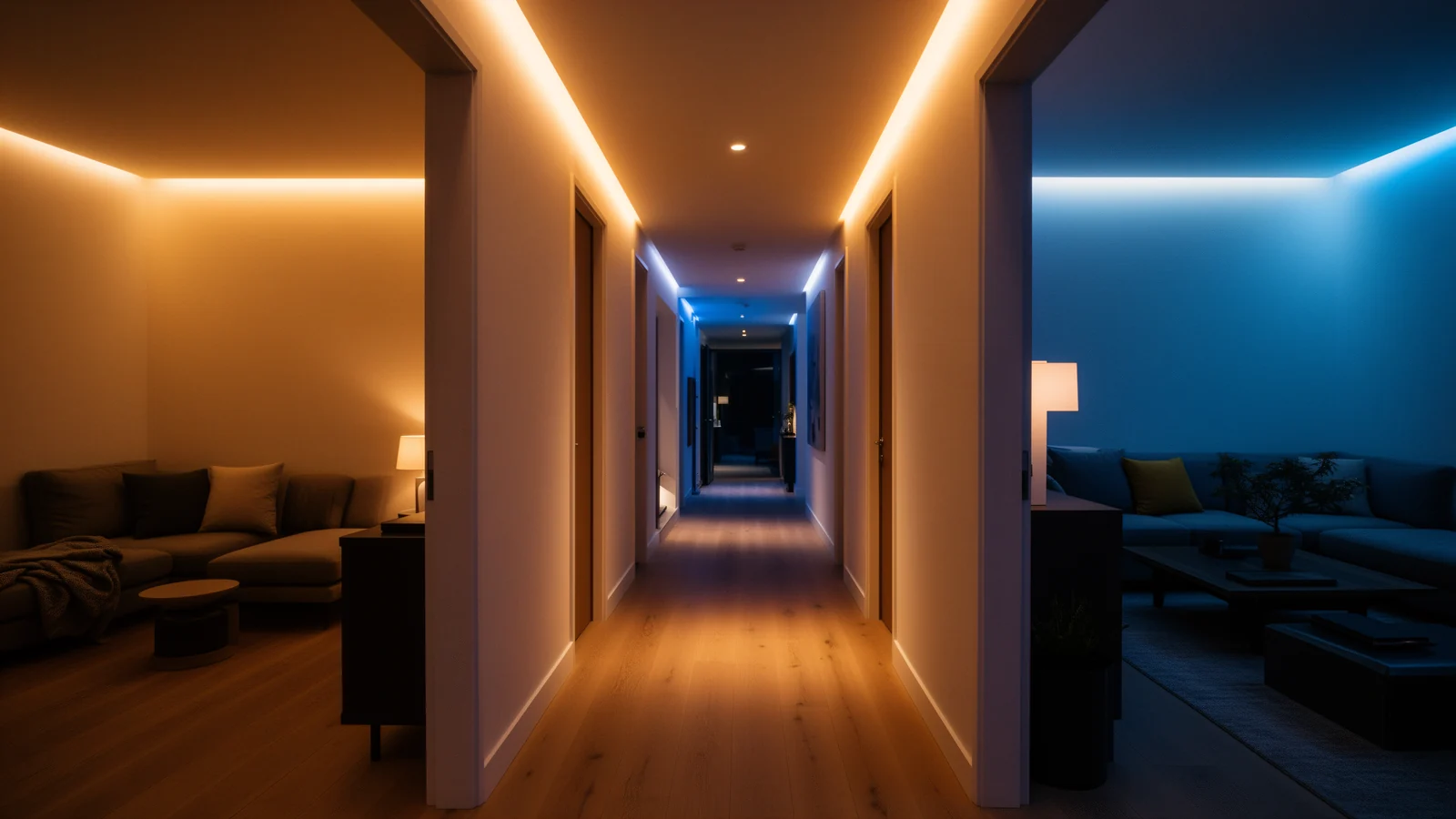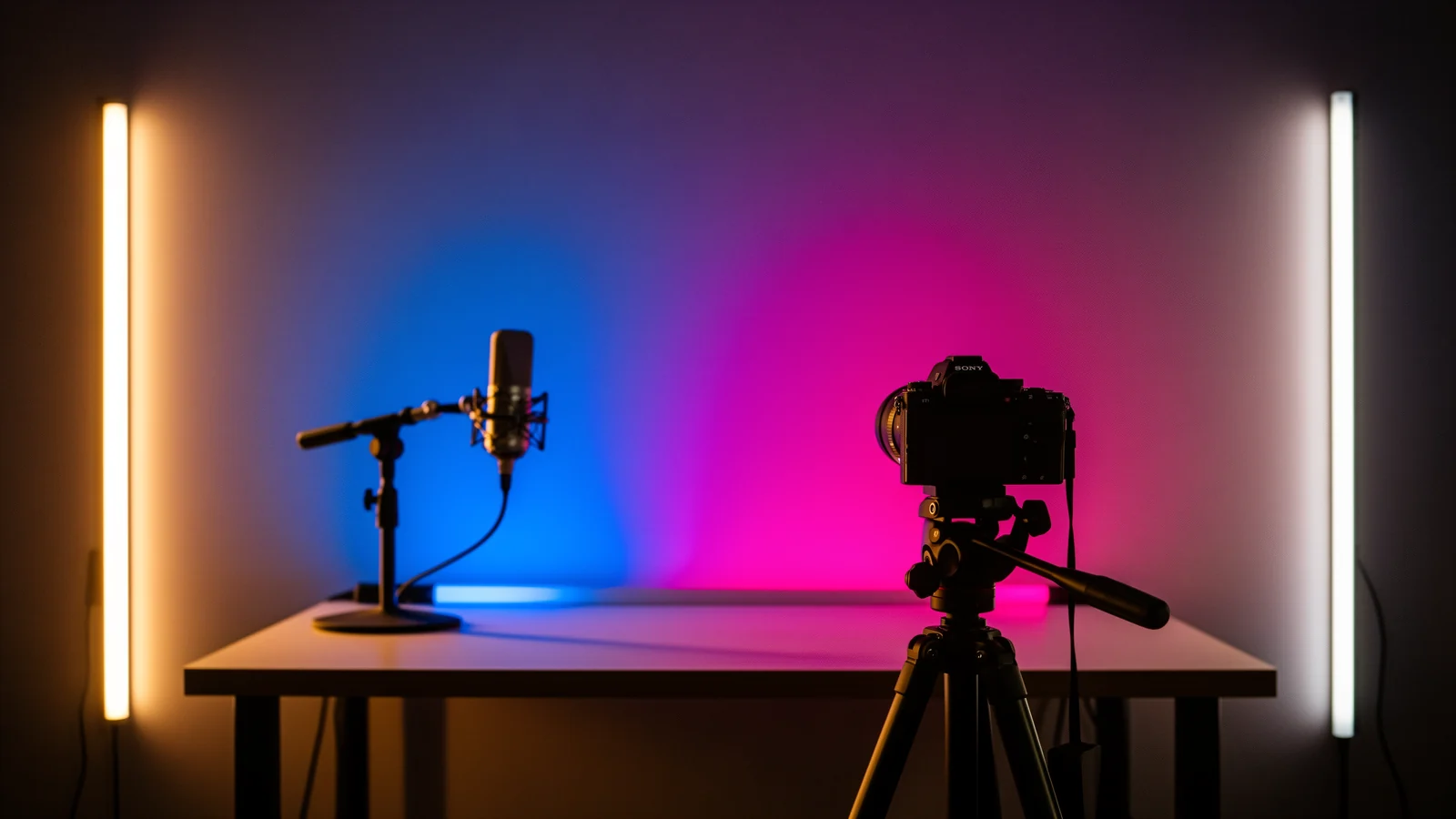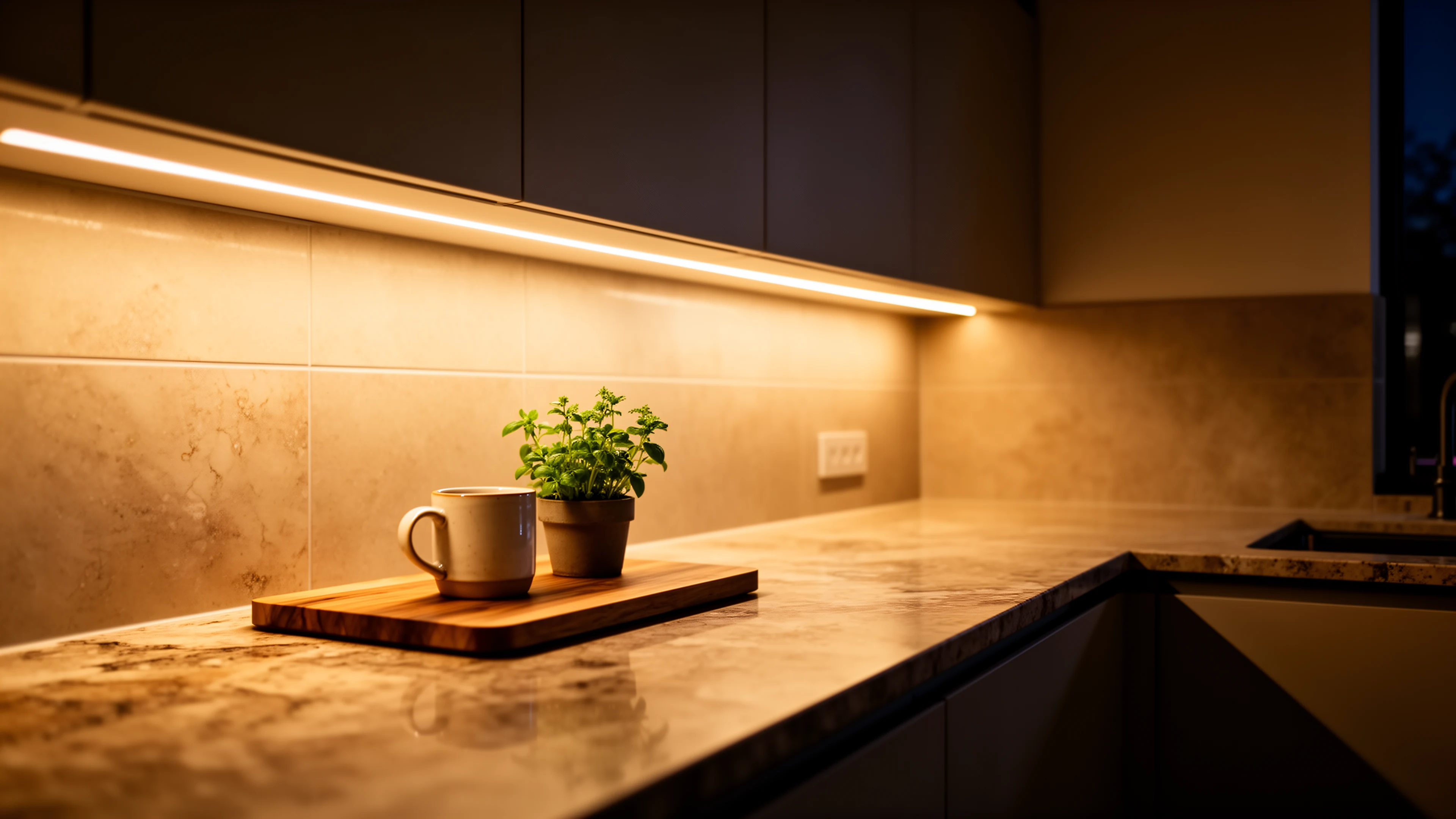
The most channels in the line. 15 dimming channels on a single board — the same sturdy case as the Plus, with enough outputs for three independent RGBCCT strips, a dozen white zones, or any mix in between. 30A total, ~20 kHz, all local.
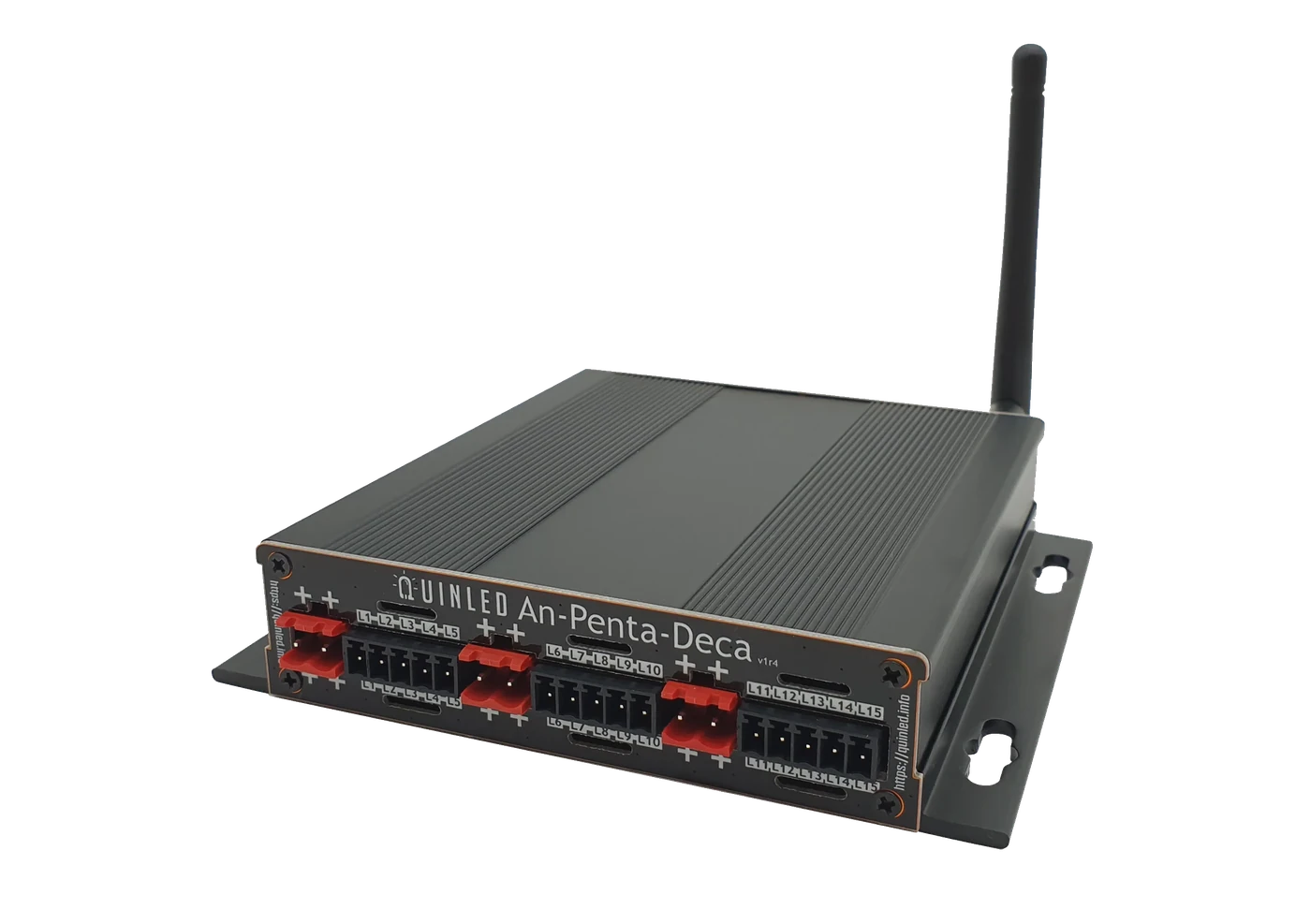
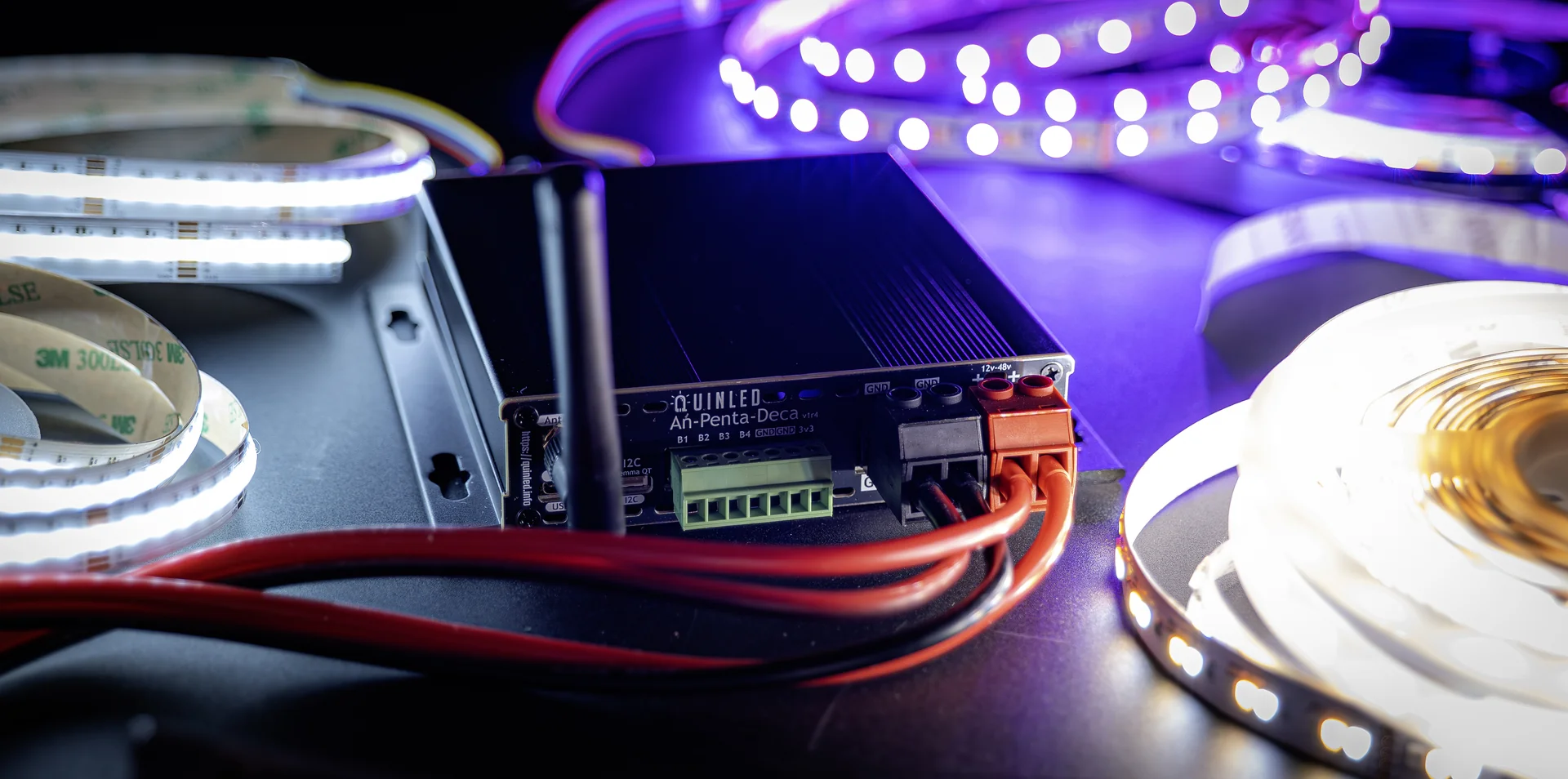
The same sturdy finned-aluminium case as the Plus, with fifteen dimming outputs along the front (grouped onto six fused positive outputs) and pluggable screw terminals on every one — so you wire each zone off the board and click them straight in. An external antenna, USB-C and mounting flanges round it out.
The An-Penta-Deca is a 15-channel, multi-zone analog LED controller. When a project outgrows a handful of channels, it keeps everything on one controller — one IP address, one config, one fuse box, fifteen outputs.
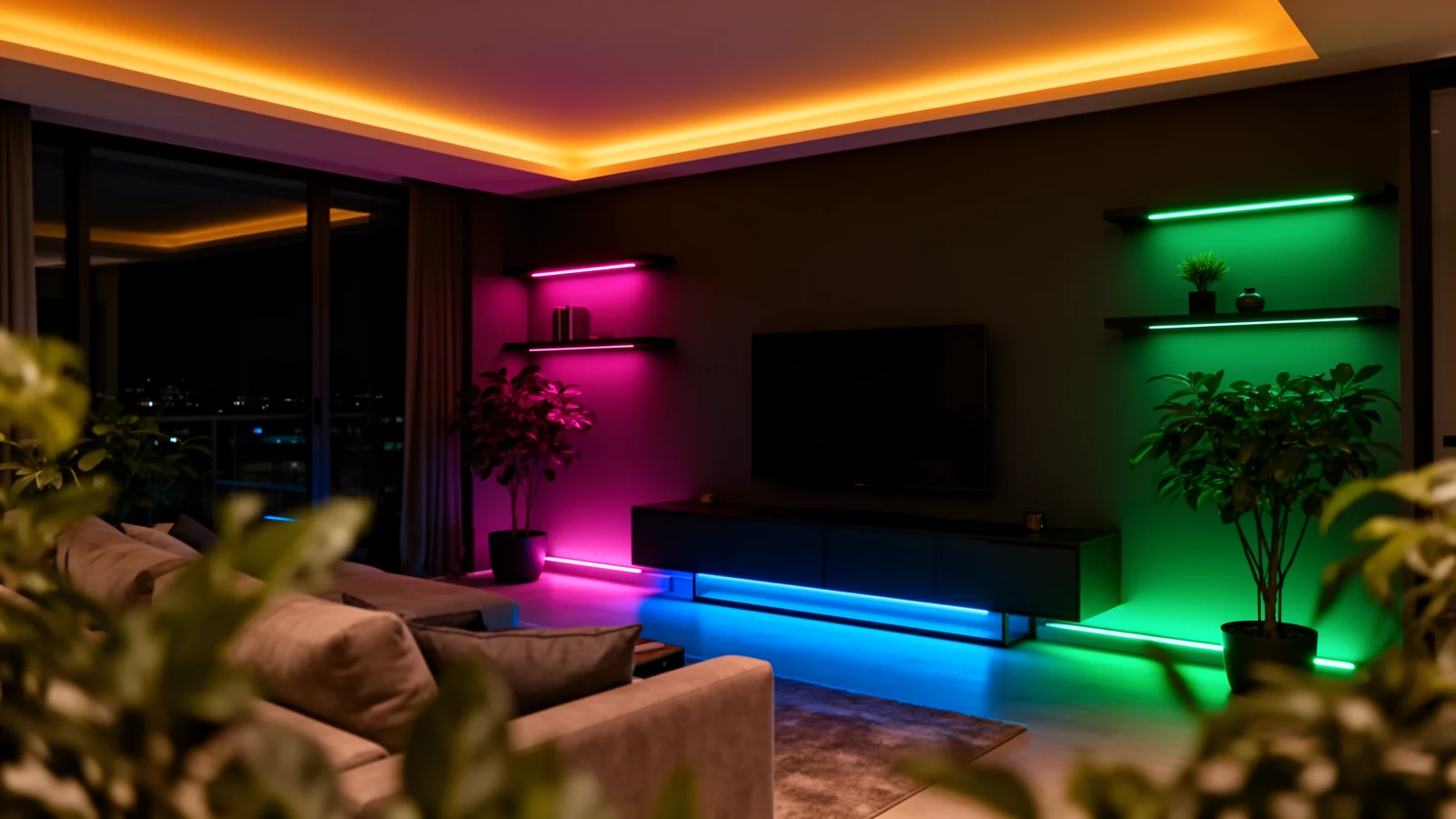
Three independent RGBCCT strips, or split them any way you like across single, RGB, RGBW and RGBCCT zones.
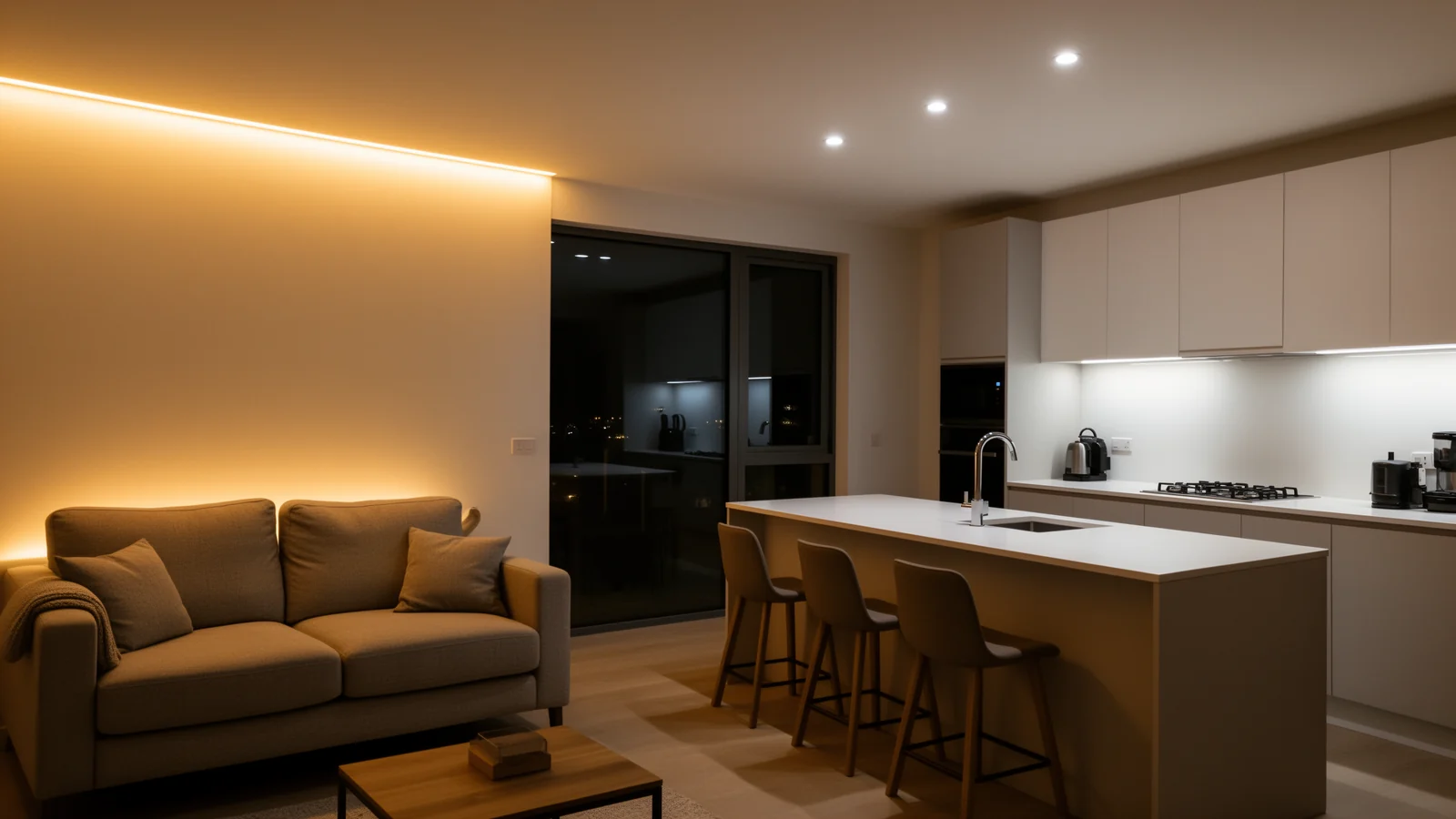
Plenty of headroom for long high-CRI white runs and bright colour — spread across all fifteen channels.
A replaceable fuse on each of its 6 positive outputs, protecting all 15 dimming channels — so a faulty zone can't take down the rest, and a fault blows a 10-cent fuse, not your wiring.
Every one of the fifteen channels dims flicker-free at ~20kHz, so a multi-zone room films as clean as a single strip.
Mounting flanges, an external antenna and a finned-aluminium body built to sit in a cabinet and run for years.
USB-C programming, an i²c expansion port and dedicated button inputs — the same friendly I/O as the rest of the line.
Independent reviewer The Hook Up put the An-Penta on a flicker meter and a camera: "absolutely zero flicker or banding throughout the entire dimming range." Every one of the fifteen channels behaves the same way. Why LEDs flicker on camera →
Fifteen channels divide neatly into three RGBCCT strips (5 channels each). Or carve them up your own way: a wall of white zones, a couple of RGBW runs, a mix of everything. New to tunable white? Start with the CCT guide.
Pair warm and cool channels per zone and the Deca blends them to any temperature.
For wiring and channel layouts, see the getting-started guide. Comparing boards? Mini vs Plus vs Deca.
| Controller | Espressif ESP32 · Wi-Fi 2.4GHz (external antenna) |
| Dimming channels | 15 analog PWM, up to 5A each · fed by 6 fused positive outputs |
| Total power | Up to 30A total dimmer power |
| Input voltage | 12–48V DC |
| Fusing | 6 fused positive outputs (replaceable) — protect all 15 dimming channels |
| PWM frequency | ~20 kHz · MOSFET gate drivers |
| Resolution | 12-bit (4096 steps) |
| Configurations | Up to 3× RGBCCT · single / RGB / RGBW / RGBCCT in any mix |
| Programming | USB-C |
| Terminals | Pluggable screw terminals on every output — wire off the board, click in |
| Expansion | i²c port · dedicated button inputs |
| Chassis | Finned aluminium heatsink housing with mounting flanges · color-coded terminals (same case as the An-Penta-Plus) |
| Firmware | ESPHome, WLED or Tasmota · native Home Assistant |
One supply into Power IN; fifteen outputs split into zones — here, three independent RGBCCT strips. Every positive output is fused, on pluggable terminals.
One supply in. Feed a single 12–48V supply into Power IN, sized for the whole load.
Zones out. Group the 15 outputs into zones — up to three RGBCCT strips — every positive output fused.
Define in firmware. One light entity per zone in ESPHome or WLED — see the guide.
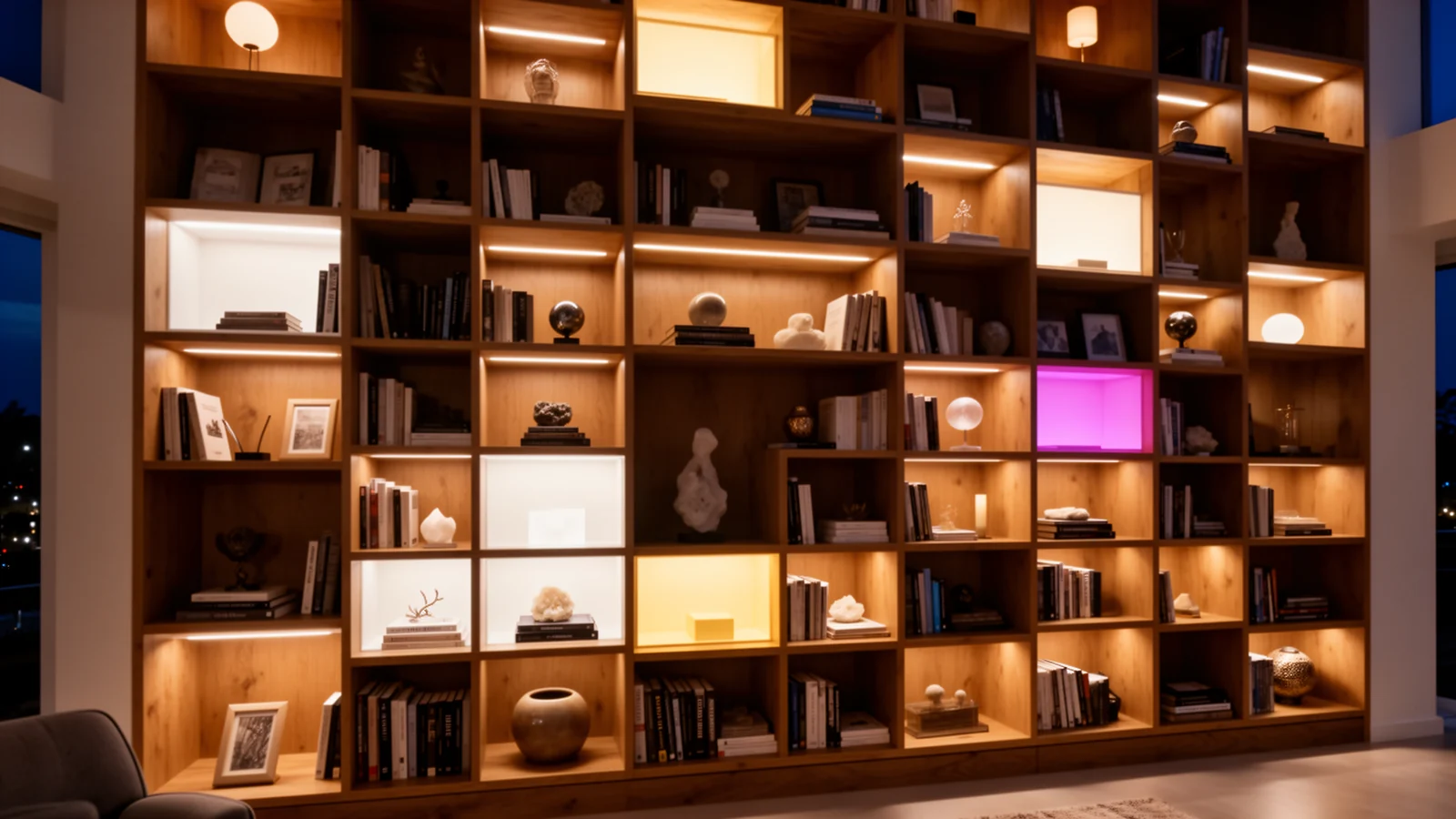
Fifteen channels means many independent zones at once — warm here, cool there, a bold accent somewhere else. This is where the Deca earns its keep. Click to enlarge.
A step-by-step getting-started guide and a real FAQ for the An-Penta-Deca — wiring, ESPHome and WLED configs with the exact pins, power sizing, and the things people hit on a big multi-zone install. It covers zone mapping — the thing worth thinking through before you wire fifteen channels. Torn between firmwares? ESPHome vs WLED for analog, explained.
From $39.99 at quinled.shop · shipped by your regional reseller
One storefront, regional fulfilment — quinled.shop routes your order to AllNet (Worldwide), the QuinLED NL shop (EU), DrZzs (US) or Jerems (CA).
Designed by Quindor · backed by 60,000+ on YouTube and 13,000+ in the Discord.